
Dozens killed as humanitarian crisis mounts in Yemen: What next for war? – Al Jazeera
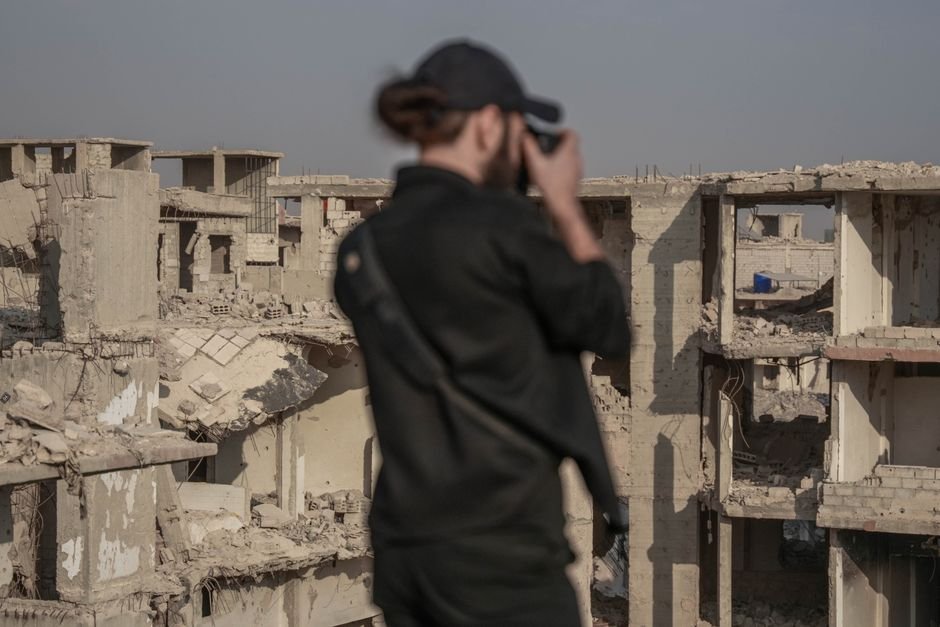
Yemen is once again grappling with a severe escalation in conflict, leading to dozens of civilian casualties and a deepening humanitarian catastrophe across the country. The protracted war continues to inflict immense suffering, raising urgent questions about the path forward amidst stalled peace efforts and renewed hostilities.
Background to a Protracted Conflict
The conflict in Yemen dramatically escalated in late 2014 when Houthi rebels, officially known as Ansar Allah, swept from their northern stronghold of Saada province to seize the capital, Sanaa. This takeover prompted the internationally recognized government of President Abdrabbuh Mansur Hadi to flee. In March 2015, a Saudi-led military coalition, backed by the United States, United Kingdom, and France, intervened with air strikes aimed at restoring Hadi’s government and curbing what they saw as Iranian influence in the region.
The war quickly devolved into a complex proxy conflict, drawing in regional powers and fragmenting Yemen into various zones of control. Beyond the main Houthi and Saudi-backed government forces, numerous local militias, secessionist movements in the south, and extremist groups like Al-Qaeda in the Arabian Peninsula (AQAP) and Islamic State have exploited the chaos. Millions have been displaced, and the nation’s infrastructure has been systematically dismantled over nearly a decade of fighting.
Key Developments and Recent Escalation
Recent months have seen a troubling resurgence of violence following a period of relative calm. A UN-brokered truce, which held for six months from April to October 2022, offered a glimmer of hope, significantly reducing casualties and allowing for some humanitarian access. However, efforts to extend and formalize this truce ultimately failed, with both sides failing to agree on key terms, particularly regarding the payment of public sector salaries in Houthi-controlled areas and the lifting of blockades on Hodeidah port and Sanaa airport.
Since the truce’s expiration, sporadic but significant clashes have resumed across various frontlines, notably in Marib, Taiz, and Hodeidah. Reports indicate an increase in drone attacks and missile strikes, with the Houthis targeting vital infrastructure and coalition forces responding with aerial bombardments. Recent incidents have resulted in dozens of civilian deaths, highlighting the fragile security situation and the ease with which the conflict can reignite. Diplomatic initiatives, largely led by Oman, have continued behind the scenes, attempting to bridge the deep divisions between the Houthis and the Saudi-led coalition. However, tangible breakthroughs remain elusive as each side holds firm on their core demands.
Stalled Peace Efforts
Despite persistent international pressure and Omani mediation, formal peace negotiations have struggled to gain traction. The Houthis continue to demand the complete lifting of the coalition’s air and sea blockade and the payment of all public sector salaries from oil and gas revenues, a significant portion of which originate from government-controlled areas. The Saudi-led coalition, in turn, seeks security guarantees and an end to cross-border attacks, while emphasizing the need for a comprehensive political settlement that includes all Yemeni factions. This fundamental disagreement has created a stalemate, making any lasting resolution increasingly difficult.
Mounting Humanitarian Crisis
The renewed fighting exacerbates an already catastrophic humanitarian situation. Yemen is widely recognized as one of the world’s worst humanitarian crises, with millions on the brink of famine and a healthcare system in tatters. The recent increase in violence directly contributes to further civilian suffering and complicates the delivery of essential aid.
Food Insecurity and Famine Risk
Over 17 million Yemenis, more than half the population, face acute food insecurity, with millions teetering on the edge of famine. The conflict has destroyed agricultural land, disrupted supply chains, and driven up food prices, making basic sustenance unaffordable for many. Malnutrition rates, particularly among children under five, remain alarmingly high, leading to preventable deaths.
Collapsing Healthcare System
Years of war have decimated Yemen’s healthcare infrastructure. Hospitals and clinics have been damaged or destroyed, medical supplies are scarce, and healthcare workers are often unpaid. Preventable diseases like cholera, diphtheria, and dengue fever regularly sweep through communities, finding fertile ground in a population weakened by hunger and lack of sanitation. The recent escalation further strains these limited resources, making it harder for people to access critical medical care.
Mass Displacement and Infrastructure Damage
More than 4.5 million people have been internally displaced since the start of the conflict, often living in overcrowded camps with inadequate access to water, sanitation, and shelter. The destruction of civilian infrastructure, including schools, roads, bridges, and water systems, has crippled the country’s ability to recover and rebuild, trapping generations in a cycle of poverty and despair. The ongoing conflict continues to create new waves of displacement, putting immense pressure on host communities and aid organizations.
What Next for the War?
The future of the war in Yemen remains highly uncertain, with several potential scenarios emerging. The immediate priority for international actors is to de-escalate the current hostilities and revive the truce, but this requires significant concessions from all parties.
Prospects for Peace
A durable peace settlement appears distant without a fundamental shift in the negotiating positions of the Houthis and the Saudi-led coalition. Oman’s continued mediation efforts, alongside those of the UN Special Envoy for Yemen, Hans Grundberg, are crucial. Any successful peace process would likely involve a multi-track approach, addressing both security concerns and humanitarian demands, followed by a broader intra-Yemeni dialogue to determine the country’s political future. The international community continues to exert pressure, but the warring parties hold the ultimate key to a ceasefire.
Risk of Further Escalation
Should diplomatic efforts fail, the risk of a more widespread escalation is significant. This could involve an increase in cross-border attacks, further intensification of fighting on key frontlines, and potentially a renewed focus on strategic targets. Such an escalation would inevitably lead to more civilian casualties and deepen the humanitarian catastrophe, further destabilizing the region. The involvement of regional powers and their geopolitical rivalries complicates any resolution, as external interests often fuel the internal conflict.
Humanitarian Aid Challenges
Regardless of the conflict’s trajectory, humanitarian needs in Yemen will remain immense for years to come. Funding for aid operations consistently falls short, and access to vulnerable populations is often restricted by insecurity and bureaucratic hurdles. The international community faces the ongoing challenge of sustaining and increasing aid flows while advocating for unhindered access and a political solution. Without a lasting peace, aid will continue to be a temporary measure in a crisis that demands a fundamental political resolution.


