
Record crowd greets Pope Leo as he calls Peru his homeland in emotional visit – NBC News
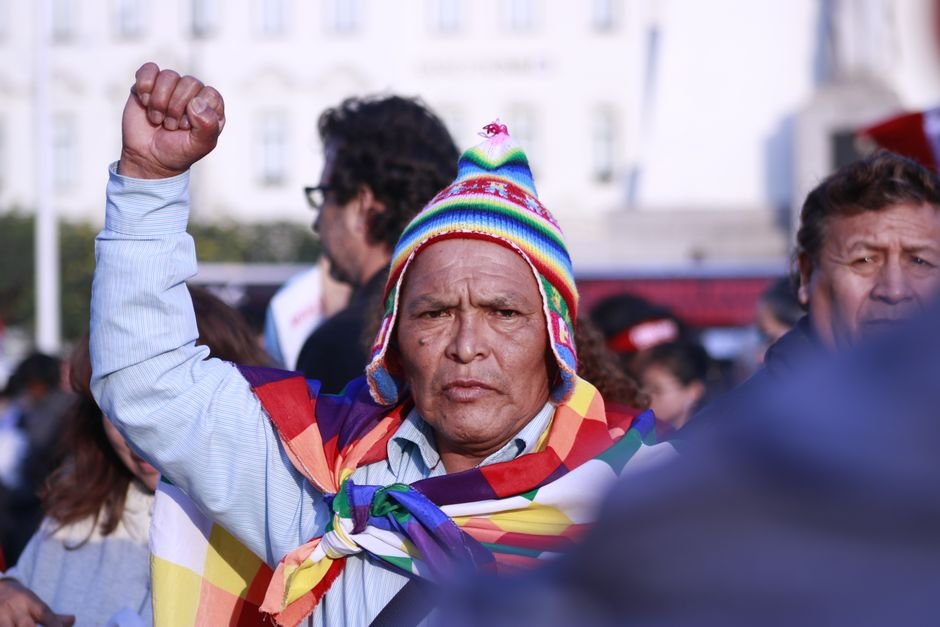
Pope Leo concluded a historic and deeply emotional apostolic visit to Peru this week, drawing unprecedented crowds across the nation. During a pivotal address in Lima, the Pontiff declared Peru his «homeland,» a statement that resonated profoundly with millions of faithful and observers alike. The four-day visit, spanning from December 5th to December 8th, underscored the strong Catholic identity of the South American nation and solidified Pope Leo’s pastoral connection to its people.
Background to the Papal Visit
Pope Leo’s papacy has been characterized by a strong emphasis on social justice, environmental stewardship, and outreach to the global periphery. His decision to visit Peru, the first papal visit in over three decades, followed an invitation from the Peruvian Episcopal Conference and the nation’s government. The last Pontiff to visit Peru was Pope John Paul II, who made two separate trips in 1985 and 1988, leaving a lasting spiritual legacy. Anticipation for Pope Leo’s arrival had been building for months, with extensive preparations undertaken across Lima, Trujillo, and Puerto Maldonado, the three primary cities on his itinerary.
Peru, a nation with a rich Indigenous heritage and a profound Catholic faith deeply rooted since the Spanish colonial era, boasts one of the highest percentages of Catholics in Latin America. Over 75% of its population identifies as Catholic, making the papal visit a moment of immense spiritual significance and national unity. The visit was also framed against a backdrop of contemporary challenges facing Peru, including persistent poverty, social inequality, political instability, and the urgent need for environmental protection in the Amazon region. Pope Leo’s known advocacy for the marginalized and for «integral ecology» set high expectations for his message.
Key Developments and Papal Addresses
Pope Leo’s arrival at Jorge Chávez International Airport in Lima on December 5th was met with an enthusiastic welcome from President Martín Vizcarra and thousands of cheering Peruvians lining the streets. His itinerary was meticulously planned to engage with diverse segments of Peruvian society, from government officials to Indigenous communities and the urban poor.
The Declaration of «Homeland» in Lima
The emotional high point of the visit occurred on December 7th during a massive open-air Mass celebrated at the Costa Verde esplanade in Lima. An estimated 1.5 million people gathered under the scorching sun, creating a sea of white and yellow flags. Towards the conclusion of his homily, delivered in Spanish, Pope Leo deviated from his prepared text. With palpable emotion, he looked out at the immense crowd and stated, «Peru, you are a gift from God. My heart finds a home among you. From this moment, I can truly say, Peru is my homeland.» The declaration ignited an instantaneous roar of approval and emotional cheers that swept across the esplanade, with many attendees visibly moved to tears. This spontaneous expression of affection cemented a unique bond between the Pontiff and the Peruvian people, transcending the formal protocols of a state visit.
Engagements in Trujillo and Puerto Maldonado
Prior to the Lima declaration, Pope Leo had traveled to Trujillo, a coastal city in northern Peru, on December 6th. There, he celebrated Mass for hundreds of thousands, focusing his homily on the resilience of the Peruvian people in the face of natural disasters, particularly the devastating El Niño floods of 2017. He called for solidarity and reconstruction, both physical and spiritual. He also met with priests, religious, and seminarians, urging them to be shepherds committed to their flocks and to serve the most vulnerable.
On December 5th, the Pontiff made a significant visit to Puerto Maldonado in the Amazonian region of Madre de Dios. This stop was particularly symbolic of his commitment to environmental issues and Indigenous rights. He met with thousands of Indigenous peoples from various Amazonian tribes, listening to their testimonies about land exploitation, illegal mining, deforestation, and the threats to their traditional way of life. In a powerful address, Pope Leo condemned the «predatory greed» that endangers the Amazon and called for its protection as a vital lung of the planet. He emphasized the sacredness of Indigenous cultures and their ancestral connection to the land, urging global respect for their rights and traditions.
Throughout his visit, Pope Leo’s core messages consistently revolved around hope, unity, the fight against corruption, the importance of family, and the urgent need for social justice. He challenged both political leaders and ordinary citizens to uphold ethical standards and to work towards a more inclusive society where no one is left behind.
Impact of the Papal Visit
The immediate impact of Pope Leo’s visit was profound, creating a surge of national pride and spiritual renewal across Peru. His declaration of Peru as his «homeland» instantly became the defining moment, generating widespread media coverage and an outpouring of emotional responses from politicians, religious leaders, and ordinary citizens alike.
National Unity and Moral Boost
The visit served as a powerful catalyst for national unity, momentarily transcending political divisions and social inequalities. Millions participated in the public events, demonstrating a collective sense of shared faith and identity. For many Peruvians, the Pope’s words validated their culture and their struggles, offering a significant moral boost. Local Church leaders expressed renewed enthusiasm, acknowledging the papal visit as an impetus for deeper evangelization and social engagement within their communities.
Reinforcement of Social and Environmental Advocacy
Pope Leo’s strong condemnations of corruption, his calls for ethical governance, and his impassioned defense of the Amazon and Indigenous peoples resonated deeply within Peru and internationally. Environmental activists and Indigenous groups hailed his visit to Puerto Maldonado as a landmark event, bringing global attention to critical issues often overlooked. His messages are expected to empower local advocacy efforts and pressure the Peruvian government to strengthen environmental protections and uphold Indigenous rights more rigorously.
Economic and Cultural Ripple Effects
While primarily a spiritual event, the papal visit also had tangible economic and cultural ripple effects. The influx of domestic and international pilgrims boosted local economies in Lima, Trujillo, and Puerto Maldonado, particularly for hospitality, transport, and small businesses. Culturally, the visit reinforced Peru’s identity as a deeply Catholic nation, with its rich traditions and vibrant expressions of faith showcased on a global stage. The imagery of millions of Peruvians united in prayer and celebration left an indelible mark on the national psyche.
What Next for Peru and the Church
The departure of Pope Leo does not mark the end of his influence; rather, it sets the stage for ongoing work and challenges for both the Peruvian nation and the local Catholic Church. The momentum generated by the visit presents both opportunities and responsibilities.
Implementing Papal Messages
The Peruvian Episcopal Conference is tasked with the crucial role of translating the Pope’s messages into concrete pastoral actions. This includes reinforcing social justice initiatives, strengthening environmental advocacy through Church networks, and fostering greater dialogue and understanding with Indigenous communities. Bishops and priests across the country are expected to integrate the themes of Pope Leo’s homilies and addresses into their ministries, focusing on areas such as combating corruption, promoting family values, and caring for creation. Educational programs and community outreach efforts will likely be developed to sustain the spiritual fervor and address the social issues highlighted by the Pontiff.
Addressing Persistent Challenges
Despite the wave of inspiration, Peru continues to grapple with significant challenges. Persistent poverty, especially in rural and Indigenous communities, remains a major concern. Political instability and the ongoing fight against corruption will require sustained efforts from both the government and civil society. The environmental threats to the Amazon, including illegal mining and logging, demand urgent and effective policy implementation. Pope Leo’s visit has shone a spotlight on these issues, providing moral authority and a renewed sense of urgency for their resolution, but the actual work lies ahead for Peruvians.
Pope Leo’s Broader Agenda
For Pope Leo, the visit to Peru is part of his broader apostolic mission to strengthen the Church in Latin America and to advocate for global justice and peace. His powerful words and emotional connection with the Peruvian people will undoubtedly be remembered as a significant chapter in his papacy, reinforcing his image as a Pontiff deeply engaged with the realities and aspirations of the world’s diverse communities. The «homeland» declaration will likely become a touchstone for future papal engagements and a symbol of his universal pastoral care.


