
The Leonid meteor shower is peaking soon. Here’s how to view it. – The Boston Globe
Stargazers across the Northern Hemisphere, including New England, are preparing for the annual Leonid meteor shower. This celestial event peaks in the pre-dawn hours of Saturday, November 18, offering a moderate display of fast, bright meteors.
Background: The Legacy of the Leonids
The Leonid meteor shower originates from the debris trail left by Comet 55P/Tempel-Tuttle, a periodic comet with an orbital period of approximately 33 years. As Earth traverses this dusty path each November, tiny particles from the comet collide with our atmosphere at high speeds, creating luminous streaks across the night sky.
The Parent Comet: 55P/Tempel-Tuttle
Discovered independently by Ernst Tempel in 1865 and Horace Tuttle in 1866, Comet 55P/Tempel-Tuttle is the source of the Leonids. Its elliptical orbit brings it close to the Sun and then far out into the solar system. Each time it approaches the Sun, solar radiation causes ice and dust to sublimate, releasing a stream of material that forms the meteoroid stream Earth encounters annually.
Historical Spectacles: The Leonid Storms
While typically a moderate shower, the Leonids are renowned for producing spectacular «meteor storms» roughly every 33 years, coinciding with the comet’s perihelion passages. The most famous occurred in 1833, when observers reported tens of thousands of meteors per hour, a sight that shaped scientific understanding of meteor showers. Another storm occurred in 1966, with rates reaching thousands per minute in some locations. The last significant outburst was in 2001, offering elevated rates. These historical events highlight the shower’s potential for dramatic displays.
Key Developments: This Year’s Viewing Prospects
For 2023, the Leonid meteor shower peaks during the overnight hours of Friday, November 17, into Saturday, November 18. While a major meteor storm is not anticipated, observers can still Expect to see a good number of meteors under optimal conditions. The Zenithal Hourly Rate (ZHR), the theoretical maximum visible per hour under ideal dark sky conditions, is forecast to be around 10-15 for this period.
Peak Night Details and Lunar Conditions
The best viewing window will be after midnight on November 18, until dawn. Crucially, the constellation Leo, from which the meteors appear to radiate, rises higher in the eastern sky as the night progresses, improving visibility. Fortuitously, the Moon will be a waning crescent, just past its last quarter phase. This means moonlight will be minimal during peak viewing hours, enhancing visibility, especially for fainter meteors.
Expected Rates and Visibility
While the ZHR is a theoretical maximum, actual observed rates depend on local light pollution, atmospheric clarity, and location. From suburban areas, viewers might see a few meteors per hour. Those who venture to dark sky sites could witness closer to the predicted rates, experiencing the signature fast, bright Leonids, often leaving persistent trains. These meteors are known for their speed, entering Earth’s atmosphere at approximately 71 kilometers per second (44 miles per second), making them among the fastest of all meteor showers.
Impact: Beyond the Visual Spectacle
The Leonid meteor shower offers more than visual beauty; it provides opportunities for scientific research, public engagement, and cultural reflection. Its annual return allows for study of cometary dynamics and atmospheric science, inspiring individuals to connect with the cosmos.
Fostering Public Engagement
Annual meteor showers like the Leonids serve as catalysts for public interest in astronomy and science. Local observatories, astronomy clubs, and science museums often host viewing parties, offering educational experiences. These events demystify astronomy, encouraging participants to learn about our solar system, light pollution’s effects, and the importance of dark skies. For many, a meteor shower is their first direct interaction with observational astronomy, sparking curiosity.
Scientific Insights from Meteoroids
Beyond visual appeal, the Leonids are valuable for scientific study. Researchers analyze meteoroid composition by observing their spectra as they burn up. This provides clues about primordial solar system material and comet evolution. Speed and trajectory offer insights into atmospheric density at high altitudes. Studying meteoroid distribution refines models of cometary outgassing and debris stream stability, aiding understanding of potential impacts on spacecraft.
Cultural and Historical Significance
Throughout history, meteor showers have captivated humanity, interpreted culturally. The dramatic Leonid storm of 1833 was widely documented, impacting American society, inspiring religious revivals and scientific inquiry. Accounts from indigenous peoples and ancient civilizations also describe similar celestial events, highlighting humanity’s fascination. The Leonids, with their potential for spectacular outbursts, continue this legacy, connecting observers to a history of celestial wonder.
What Next: Maximizing Your Viewing Experience
To fully appreciate the Leonid meteor shower, preparation is key. While no specialized equipment is required, selecting the right location and adopting a few simple strategies can enhance your viewing.
Maximizing Your Viewing Experience
The most important factor is finding a dark sky location, away from light pollution. New England’s rural areas, like central Massachusetts or northern New Hampshire, offer excellent opportunities. Dress warmly in layers, as temperatures drop overnight. Bring a comfortable chair or blanket for comfortable sky-gazing. Give your eyes at least 20-30 minutes to adjust to the darkness; avoid bright lights. Patience is key, as meteors often appear in bursts, followed by lulls.
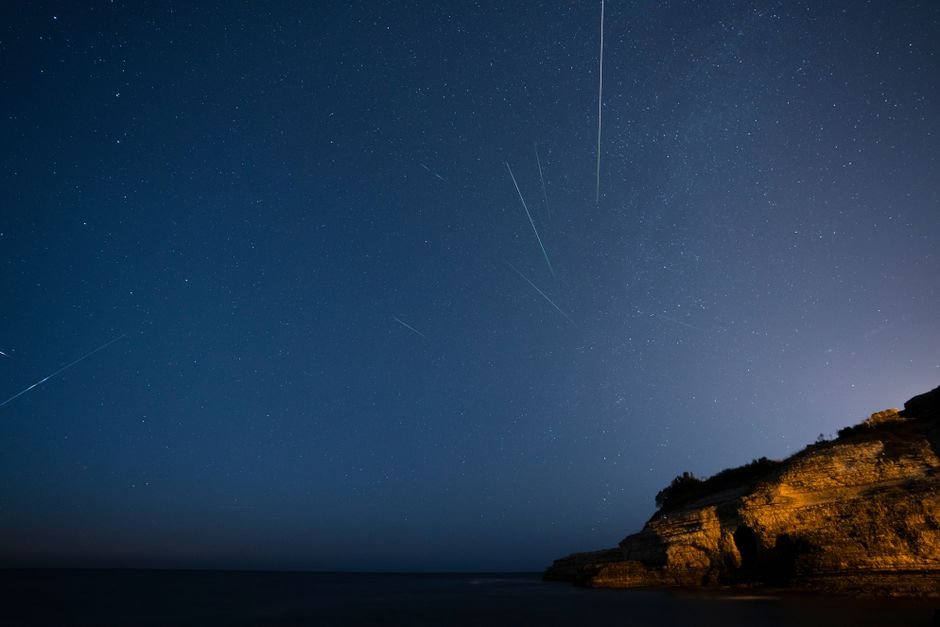
Optimal Viewing Times and Direction
While meteors can appear anywhere, they appear to emanate from Leo, rising in the east after midnight. Facing generally east or south will position the radiant well, but scanning the whole sky is recommended, as meteors can appear far from the radiant. Peak hours are typically just before dawn, when Earth moves into the meteoroid stream. Even if you cannot dedicate the entire night, observing for an hour or two during these prime times can yield sightings.
Looking Ahead: Future Leonid Peaks
While 2023 offers a modest display, the Leonids remain a shower to watch. The next major meteor storm is not expected until around 2034-2035, with Comet Tempel-Tuttle’s next close approach. However, even in non-storm years, the Leonids are known for their bright, fast meteors and occasional fireballs, making them an engaging event for all. Traveling to a dark sky location can offer more spectacular experiences as the comet continues its journey around the sun.
Frequently Asked Questions
When is the best time to view the Leonid meteor shower this year?
For 2023, the prime viewing window for the Leonid meteor shower is after midnight on Friday, November 17, stretching into the pre-dawn hours of Saturday, November 18. As the night progresses, the constellation Leo, from which the meteors appear to originate, will rise higher in the eastern sky, improving visibility conditions. Additionally, a waning crescent Moon will ensure darker skies, optimizing your chances to see the display.
What is the origin of the Leonid meteor shower?
The Leonid meteor shower originates from the debris trail left behind by Comet 55P/Tempel-Tuttle, a periodic comet that orbits the Sun approximately every 33 years. Each November, as Earth crosses this dusty path, tiny particles from the comet collide with our planet's atmosphere at high speeds. This friction causes the particles to burn up, creating the luminous streaks we observe as meteors across the night sky.
Should observers expect a "meteor storm" from the Leonids this year?
No, a major meteor storm is not anticipated for the 2023 Leonid shower. While the Leonids are historically known for producing spectacular storms roughly every 33 years, coinciding with the comet's close approach to the Sun, this year is expected to offer a moderate display. The Zenithal Hourly Rate (ZHR), which is the theoretical maximum number of meteors visible per hour under ideal conditions, is forecast to be around 10-15.
Why is it called the "Leonid" meteor shower?
The Leonid meteor shower gets its name because the meteors appear to radiate or stream outwards from a point within the constellation Leo, the Lion. Although the meteors are burning up in Earth's atmosphere, their paths, when traced backward, converge visually in this specific area of the night sky. This radiant point gives the shower its distinctive name and helps observers locate where to look.
How does Comet 55P/Tempel-Tuttle influence the Leonid meteor shower's intensity?
Comet 55P/Tempel-Tuttle is the parent body of the Leonids, and its 33-year orbital period directly influences the shower's intensity. Each time the comet approaches the Sun, solar radiation causes ice and dust to sublimate, releasing a fresh stream of material. When Earth passes through these denser, recently deposited parts of the debris trail, particularly around the comet's perihelion passages, it can lead to spectacular "meteor storms" with significantly elevated rates, as seen in historical events like 1833 and 1966.


