
Violent far-left riots in France are ‘chilling warning’ for Americans at home, Mike Johnson says – Fox News
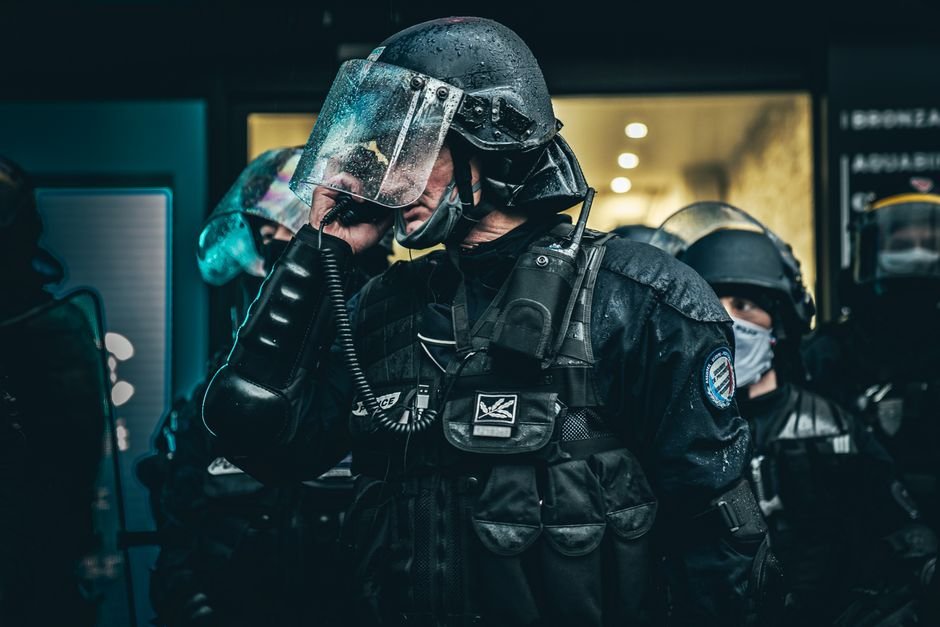
U.S. House Speaker Mike Johnson recently characterized violent far-left riots in France as a «chilling warning» for Americans, drawing parallels between the European nation’s social unrest and potential domestic challenges. His remarks, made during an appearance on Fox News, underscore growing concerns among some American political figures regarding the nature and scale of protests escalating into destructive violence.
Background: Unrest in France
France has a long history of public protest, often marked by robust demonstrations and, at times, significant clashes. The context for Speaker Johnson’s comments largely stems from a wave of intense social unrest that gripped the nation throughout early and mid-2023, primarily in response to President Emmanuel Macron’s government pushing through a controversial pension reform.
The Pension Reform Protests
In January 2023, the French government announced plans to raise the national retirement age from 62 to 64. This proposal triggered widespread opposition from trade unions, student groups, and a broad spectrum of the public. Millions participated in nationwide strikes and demonstrations, with major cities like Paris, Lyon, Marseille, and Nantes becoming focal points of dissent.
Initial protests were largely peaceful, but as the government pressed ahead with the reform, often bypassing parliamentary votes through special constitutional powers, demonstrations grew increasingly confrontational. By March and April, many protests devolved into violent confrontations between demonstrators and law enforcement.
Escalation and «Far-Left» Characterization
During these periods of heightened tension, elements characterized by authorities and some media outlets as «far-left» played a significant role in the escalation of violence. These groups often included anarchists, radical anti-capitalist activists, and individuals employing «black bloc» tactics—wearing dark clothing and masks to evade identification while engaging in property destruction and direct confrontation with police.
Incidents of violence became common: Molotov cocktails were thrown, public infrastructure was vandalized, businesses were looted, and vehicles were set ablaze. Police reported numerous injuries among their ranks, and thousands of arrests were made across the country. Specific targets included banks, luxury stores, and government buildings, symbolizing the perceived injustices and economic inequalities fueling the anger. The Place de la Concorde in Paris, the Bastille, and major arteries in other cities witnessed particularly intense scenes of chaos and destruction.
Speaker Johnson’s Warning
In a television interview, Speaker Mike Johnson articulated his concern, stating that the events in France were not merely isolated foreign incidents but held significant lessons for the United States. He explicitly highlighted the «far-left» nature of the violence, suggesting a common ideological thread with groups he perceives as threats within American society.
Johnson’s message emphasized the potential for similar destructive patterns to emerge or intensify in the U.S. He urged Americans to «pay close attention» to the French situation, framing it as a cautionary tale about the erosion of public order and the challenges posed by radical ideologies. While he did not detail specific American groups, his rhetoric often targets elements he characterizes as extreme on the political left, such as Antifa or certain segments of social justice movements, which he views as undermining traditional institutions and civil order. His warning implied a need for robust law enforcement, civic vigilance, and a firm stance against what he described as anarchic tendencies.
The Nature of «Far-Left» Violence and US Parallels
The term «far-left violence» in the context of the French protests typically refers to actions beyond peaceful demonstration, involving property destruction, direct clashes with police, and attempts to disrupt public order through aggressive means. Groups associated with these tactics often operate under anti-state, anti-capitalist, or anarchist banners, aiming to challenge existing power structures through direct action. Their methods, such as the «black bloc» strategy, are designed to maximize impact and minimize individual accountability.
Historically, radical elements have been present in French social movements, from the student uprisings of 1968 to more recent «gilets jaunes» (yellow vests) protests, often pushing the boundaries of traditional protest. The pension reform movement saw these elements become particularly prominent during the most intense phases of confrontation.
Johnson’s Implied US Connections
Speaker Johnson’s warning draws on a perception that similar ideological currents and tactical approaches exist within the United States. Conservative commentators and politicians, including Johnson, have frequently pointed to instances of violence during American protests, such as those that occurred in several cities in 2020 following the death of George Floyd, or actions attributed to groups like Antifa, as examples of «far-left» extremism. Johnson’s concern extends to what he views as a broader cultural and political environment that might enable or justify such violence, potentially leading to a breakdown of civil society.
Differing Perspectives
It is important to note that the characterization of all protest-related violence as «far-left» is a subject of significant debate. Many participants in the French pension reform protests, and indeed in American demonstrations, were peaceful and motivated by legitimate grievances. Critics of Johnson’s perspective argue that he may be oversimplifying complex social and economic issues, using foreign events to fuel domestic political narratives, and potentially conflating broad social movements with the actions of a radical minority. They might also contend that the drivers of unrest in France—such as specific government policies or deeply entrenched social inequalities—are distinct from those in the U.S., making direct comparisons problematic.
Impact and Repercussions
The intense period of protest and violence had significant repercussions in both France and, in terms of political discourse, the United States.
In France
The unrest severely tested President Macron’s government, leading to a notable drop in his approval ratings and deepening political polarization. The pension reform was ultimately enacted, but at a substantial cost to social cohesion. Economically, the damage to public and private property, coupled with disruptions to businesses and transportation, incurred significant financial losses. Societally, the divisions between the government and a significant portion of the population hardened, leaving a legacy of distrust. Debates over police tactics and the balance between maintaining public order and protecting protest rights also intensified.
In the United States
Speaker Johnson’s comments injected the French situation into an already charged American political discourse. His warning resonated with those who share concerns about domestic extremism and the need for «law and order,» particularly on the conservative side of the political spectrum. It contributed to ongoing national conversations about the boundaries of free speech and protest, the role of federal and local law enforcement in managing unrest, and the perceived threats posed by various ideological groups. While not directly impacting U.S. policy, such warnings can influence the rhetoric of political leaders, potentially shaping legislative priorities related to domestic security or public assembly. It also highlights a perceived shared challenge among some international conservative leaders regarding global trends in social and political unrest.
What Lies Ahead
For France, the immediate future involves continued efforts by the Macron government to address public grievances and restore a sense of national unity, a task made more challenging by the recent confrontations. The potential for future protests remains high, especially if other contentious reforms are pursued or if economic conditions deteriorate. The role and tactics of radical elements within social movements will likely continue to be a subject of intense scrutiny and debate.
In the United States, Speaker Johnson’s warning serves as a barometer of ongoing vigilance among some leaders regarding domestic unrest. These concerns could continue to shape political rhetoric and potentially influence policy discussions related to public order, national security, and the monitoring of extremist groups. The national conversation about the line between legitimate protest and destructive violence, and the ideological forces perceived to be behind it, will undoubtedly persist, further complicated by the pervasive influence of social media in mobilizing and shaping public response.


Un comentario